
Community Health & Nursing Guidance
How to Engage with Diverse Communities in Public Health Nursing

Public health nursing must have mastery in developing engagement strategies for communities of different backgrounds. The effectiveness of communication, combined with cultural abilities, allows public health nurses to develop trust between themselves and different cultural groups. This results in healthcare initiatives resonating widely across diverse backgrounds. The practice of respecting different cultures becomes essential for nurses who wish to achieve health equity. Public health nurses who implement inclusive approaches create links to overcome differences and generate better health results across every community. The guide presents actionable procedures for building authentic relations with varied communities while advancing outreach projects, along with bolstering community trust. Nurses who successfully hone these approaches are able to make enduring positive transformations among their service populations.
Building Cultural Competence
To build cultural competence, professionals must learn how to recognize and understand the different values and beliefs along with cultural practices, which define different communities. Individual development of cultural competence allows people to create respectful bonds, which improve trust while boosting communication quality. The support of collaboration and teamwork through cultural competence enables communities to value diversity and create better interactions, and achieve common objectives. Through cultural competence, modern societies can achieve better cultural inclusion that drives progress and develops communities positively through active participation. To build cultural competence professionals must learn how to recognize and understand the different values.
Attend Cultural Competency Training
Significant cultural competency training enrolment enables healthcare providers to establish comprehensive understanding about different cultural variations. The training bridges healthcare providers with essential communication abilities while showing them different cultural views and customs. Your awareness of cultural peculiarities allows you to communicate more effectively with people of different backgrounds thus elevating patient care quality through improved trust-based collaboration in your work environment.
Learn Key Cultural Customs
The delivery of compassionate care requires healthcare providers to understand cultural customs and communication practices of their service communities. The knowledge of how patients from different cultures view health matters enables healthcare providers to adapt their strategies to fulfill specific patient requirements. The combination of improved patient results along with better relationships through respect enables culturally sensitive and patient-centered care that delivers positive healthcare experiences.
Practice Active Listening
Active listening represents an essential capability for healthcare professionals who dedicate their entire attention to speakers thereby refraining from both stoppages and evaluative behaviours. By providing this practice patients can freely share their worries which establishes credibility between healthcare providers and their patients while enhancing their relationship. Monitoring both the words and emotional expression of speakers enables healthcare professionals to correctly interpret their needs which results in better care results.
Avoid Cultural Assumptions
The practice of assuming cultures can result in patient misunderstandings which lead to inferior care quality. Every person from any cultural background maintains distinct personal experiences together with their set of values and individual life events. Americans who avoid cultural assumptions in their practice enable healthcare workers to deliver care that addresses individual needs precisely. Healthcare professionals can create better patient relationships when they recognize personal life experiences because this practice establishes an inclusive healthcare setting.
Celebrate Cultural Diversity
A community’s celebration of its cultural diversity represents an effective method through which members display their dedication to inclusive practices. The implementation of events along with theoretical and practical programs that celebrate diversity enables every organization member to experience belongingness no matter their cultural heritage. These celebrations facilitate awareness between different groups which results in community improvement through collective appreciation. Your practice of honoring cultural differences will help establish better connected communities which develop through mutual respect and acceptance for every member.
Building Trust and Relationships
Community involvement depends on building trustful relationships as a necessary step toward generating sustainable health improvements. Adamant trust allows people to communicate freely while expressing worries and joining civic activities. Respect towards community feedback creates an environment where people join forces to pursue shared objectives. When trust unites people in strong relationships it establishes an environment of support which helps make health initiatives more durable. The development of trust emerges through transparent communication and both mutual respect and consistent practices which leads the community to take collective action toward improved health results and enhanced well-being of citizens.
Be Consistent and Reliable
Trust development in any group depends mostly on having stable behaviour and reliable actions. Every pledge you make needs to be kept since this behaviour emphasizes your dependable nature and your authentic devotion to their wellness. Your actions which stay true to your words demonstrate reliability to your community and draw people toward active engagement and joint work processes. The community achieves lasting relationships along with meaningful transformation because members trust in your dependable nature.
Offer Language Support Services
Effective communication with all community members becomes possible through language support services which include interpreter and translated material provisions. This methodology diminishes linguistic barriers which makes certain all members within the community obtain equivalent access to services and information. Such practices showcase cultural understanding and foster community inclusivity thereby enabling each person to hear and value them. Organizations that supply language support to their communities create opportunities for better understanding alongside trust-based relationships across multifarious groups.
Partner with Community Leaders
Your initiatives will gain credibility through partnering with respected community leaders who enable their outreach to expand further. Community leaders who maintain strong ties within their community serve as essential allies for spreading your message since they possess considerable power of promoting your message to their networks. Your outreach success rate will increase when you work with such leaders since their endorsement brings trust along with greater outreach effectiveness. The support from community leaders enables you to fill gaps between different groups while getting more people involved leading to improved outreach results.
Maintain Confidentiality
Protection of personal privacy and maintaining strict confidentiality helps establish trust between leaders and their constituents as well as enables sincere communication. Personal security regarding information privacy creates engaging honesty from the public who share their concerns. Managing confidentiality produces an environment which enables community members to share vital information securely without fear because trust develops between members and leads to positive results.
Show Respect and Empathy
Every social contact needs genuine respect alongside empathy to produce enduring relationships between people. Valuation of individuals and their support becomes possible when people demonstrate kindness along with understanding and patience. Your willingness to hear their stories and share their feelings leads to establishing open collaboration spaces. The method produces trust and enables community participation while generating a positive community environment that values all perspectives for better results.
Creating Inclusive Programs
The process of developing inclusive programs requires designing health initiatives that fulfill specific needs within various communities. The design of effective health programs needs to adopt strategies based on the unique challenges along with combining cultural values along with preferred approaches of different groups to keep participants actively involved. Through inclusiveness all individuals maintain access to programs which develop feelings of equality while building their capacity to actively participate in health-related activities. Well-designed accessible health programs create superior results and improve population health at the same time while generating sustained community-wide dedication to extended health success.
Conduct Community Needs Assessments
Health needs assessments that include local participation enable the identification of fundamental healthcare problems within the community. Program designers obtain essential information for specific program development by actively listening to community inputs of their healthcare requirements. The inclusive method strengthens participant ownership thus increasing their commitment which in turn leads to more effective programs that perfectly fit community genuine requirements.
Design Culturally Relevant Materials
Cultural sensitivity in health materials production helps information connect better with diverse target groups. Your content will become more accessible when you use cultural concepts in language as well as pictures and illustrations while adding relevant examples from different cultural viewpoints. By using this method individuals become more able to understand health information while maintaining their cultural worth and taking control of their health needs which leads to increased awareness and better health management among all community groups.
Offer Flexible Scheduling
The availability of flexible health program hours permits participants to join without conflicting with their professional or household duties. People that work irregular hours can better access events when meetings are planned for evening or weekend sessions. Programs that let participants choose their appointment times achieve better attendance numbers from people of all schedules. A scheduling system that takes different community time constraints into account enables better attendance of persons with work schedules that fall outside typical working hours.
Involve Community Members in Planning
Health programs achieve better results when community members participate in planning activities because their specific population needs and interests are addressed. People who participate in community activities feel like program owners and the initiatives become more applicable to their needs. Residents who take part in initiative development become more likely to trust and engage with the program which results in better local value alignment and increased success commitment.
Evaluate Program Effectiveness Regularly
Health programs that subject themselves to periodic evaluation help organizations recognize opportunities to improve their programs which leads to better relevance and effectiveness. The program benefits from participant feedback so that necessary changes can be made to both its strategies and the inclusive approach as well as what suits the community needs. Program success increases through continuous assessment of outcomes along with necessary adaptations that result in better performance and elevated participation and service to the evolving community needs.
Improving Communication Strategies
Strong community relationships require proper development of communication approaches. All members can grasp information regardless of personal background or language level through proper compressed communication methods along with respect. The method facilitates the reduction of misunderstandings and gap bridging functions while offering opportunities for open exchange. The combination of culturally appropriate language together with active listening and feedback mechanisms leads to creation of trust-based collaboration. Through effective communication communities build stronger bonds which alongside embracing diversity enable people to become active participants in health and social projects that deliver enhanced results for long-term improvements.
Use Plain Language
The use of simple language enables healthcare information to reach all community members no matter what their educational background consists of or what their level of education is. The exclusion of medical jargon makes complex ideas easier to understand so every individual can develop a connection with the information. Basic communication methods create an environment where technical language and language differences do not block accessibility for everyone in the community. Through this method all community members achieve full comprehension of critical health messages thereby advancing overall health literacy.
Implement Visual Communication Tools
Simple health messages are transmitted more successfully through visual communication tools including infographics and videos as well as demonstrations. The processing of written text becomes more difficult than visuals including images and charts alongside step-by-step videos when serving individuals who lack sufficient reading skills or face language barriers. Another advantage is that healthcare organizations can expand message reach to various audiences while ensuring better understanding between community members of different backgrounds.
Encourage Two-Way Communication
Establishing opportunities for people to communicate both ways helps build trust which creates enhanced participation throughout the community. The practice of seeking feedback together with answering questions plus supporting open dialogue enables residents to express concerns and exchange insights. Such two-way communication develops active relationships by making people feel important and showing respect to them. Such an environment allows authorities to better understand community requirements which results in enhanced health program delivery and service quality.
Train Staff in Cultural Sensitivity
Staff members receive training in cultural sensitivity which teaches them related knowledge and abilities for proper interaction with people from different backgrounds. Staff members achieve better results in patient care through their ability to understand essential beliefs paired with cultural awareness. The training enhances respectful communication while reducing misunderstandings and delivers better services through staff members who understand different cultural norms and values thereby creating superior healthcare interactions between staff and patients.
Utilize Community Media
Dissemination of vital health messages through local radio stations together with newspapers and social media networks proves to be an efficient method. Community media outlets allow healthcare organizations to send messages to community members through various communication formats thus increasing the reach to larger audiences. The partnership between healthcare systems and local media outlets enables organizations to create more effective community bonds which results in increased public participation for health programs thus producing better healthcare results.
Addressing Social Determinants of Health
Health care professionals must recognize social determinants which include income together with education as well as housing and care accessibility to provide thorough care services. Nurses who recognize these factors of social determinants can give targeted care to diverse communities. Practicing nurses who integrate their familiarity with social determinants into their work help prevent health inequalities and remove barriers which allow individuals to receive essential health services for both their medical conditions and life quality improvement.
Screen for Social Needs
Health assessments should include additional questions about housing status together with food security status and employment status and educational needs. Patient health assessments through this method enable healthcare providers to recognize wider health obstacles which supports their creation of thorough care strategies. The timely identification of social determinants lets patients obtain essential assistance for better health condition management and superior health results.
Connect Clients to Resources
The process of connecting clients to available resources remains essential to achieving better health results. Healthcare professionals should utilize their patient referrals to connect people to relevant services that involve food distribution and housing solutions with employment training programs operating in local communities. The social issues which patients face become easier to manage through nurse-led referrals since the patients can then concentrate on their healing without distractions. Nurses can achieve better health results for underserved populations through this strategy by lowering care obstacles while promoting a comprehensive wellness model.
Advocate for Policy Changes
Nurses dedicate themselves to the advocacy efforts needed to create policies which reduce health inequities through their essential work. Through their advocacy efforts nurses drive policy changes which support social justice and extended healthcare access and lowered caregiver obstacles thus making better systemic changes. Health development throughout communities is ensured by improving social determinants of health which builds an equitable healthcare system that will benefit vulnerable populations as well as improve overall societal wellness.
Promote Health Equity Initiatives
Health equity initiatives obtain their focus by supporting programs which aim to remove healthcare inequalities through improved service access for disadvantaged communities. Nurses must provide support to health equality initiatives that will give everyone—regardless of economic background—the ability to obtain both resources and health services needed to sustain good health status. These programs have an essential function which helps establish just and equitable healthcare services accessible to everyone.
Collaborate with Multidisciplinary Teams
Regular collaboration between nurses and social workers and educators and housing advocates allows nurses to address all needs that poverty-stricken individuals require. These professionals work together to guarantee patients get entire care that provides medical services with social and psychological backing. The team collaboration approach leads to superior care coordination together with patient empowerment that results in healthier outcomes because it addresses various wellness effects and implements a complete healthcare strategy.
Conclusion
The delivery of healthcare requires more than treatment services because it needs steady partnerships built on mutual trust and systematic understanding combined with respectful connections. To achieve healthy communities with empowered people public health nurses must focus on cultural competence together with inclusive communication and social determinants awareness and cultural sensitivity. Nurses who dedicate themselves to community need assessment alongside experience learning and approach modification ensure their health initiatives become relevant and both effective and sustainable. The approach of proactivity combined with compassion enables public health nurses to lead important sustainable changes which benefit diverse communities.
Organizations seeking real impact must apply right now. Apply community engagement strategies now to become a stronger supporter of diversity and equality in public health nursing practice.
FAQs
-
What stands as the fundamental reason behind cultural competence’s essential role in public health nursing practice?
The practice of cultural competence enables nurses to create appropriate and respectful healthcare services which address unique community requirements.
-
Public health nurses need which strategies to establish trust relationships when working with new communities?
Public health nurses should maintain consistency while displaying empathy towards individuals through collaboration with respected local leaders.
-
Social determinants of health represent external conditions including housing education and income that affect human health outcomes.
Housing and education and income represent conditions which determine how well someone will achieve health outcomes.
-
Community health workers need to address language barriers in order to provide effective services.
Standards of care can include interpreter services together with translated informational materials and multilingual outreach connections.
5. What are some examples of culturally relevant health programs?
The programs implement traditional dietary components with health practices as they use educational materials fitting to cultural roots.
-
Nurses should use what strategies to provide effective communication services to patients with low reading skills?
Nurses should deliver information through basic terms and illustrations and implement educational exercises that combine demonstrations.
-
Community input stands vital in public health initiatives due to what reason?
Such participation leads to health service programs that match community needs while ensuring cultural responsiveness and better chances of program success.
-
Public health nurses actively participate in the process of reducing health inequities through their work?
Nurses work to support policy improvements alongside resource provision for clients and health equity initiative promotion.
Community Health & Nursing Guidance
How to Collaborate With Local Organizations as a Public Health Nurse
The aspect of cooperation with local organizations is the crucial element of successful public health nursing. Public health nurses collaborating with each other are able to increase the reach, and effects of the health interventions, reach quality community resources, and combat the health disparities more holistically. Collaboration with the community organizations, schools, social services agencies, and other healthcare providers can assist in making interventions to be culturally appropriate, and relevant to the special needs of the population. Public health nurses are a vital part of the process of advocating improved health policies and education, in response to health issues such as chronic diseases, mental health, and infectious diseases outbreaks.
Most of these challenges prove too complicated to deal with using individual initiatives, and hence there is a lot of importance in collaborating with local agencies. These partnerships will enable pooling of resources, skills, and information resulting in improved focused public health interventions. Partnership with community-based structures helps the public health nurses to develop long-lasting programmes, enhance the overall health of the community, and guarantee the effectiveness of interventions in health matters. This guide will help the nurses in the field of public health to develop effective collaborations, and cooperation with the local organizations to deal with the urgent health problems and establish healthier communities.
Building Strong Partnerships with Local Organizations
Effective interactions between people require the development of effective collaboration with local organizations in the field of public health nursing. Such collaborations enable the nurses to have access to resourceful community services and knowledge, thus making sure that the health interventions utilized are relevant, and effective. In a bid to build effective collaborations, it is important to find ways to build confidence, and create lines of communication with the community leaders, organizations and stakeholders as a way of ensuring a mutually beneficial partnership.
The common goals should be found, and the efforts should be directed to the community health priorities. Nurses are advised to be actively involved with the local organizations representatives in order to comprehend their needs, strengths, and challenges, which will allow them to take a collaborative strategy. Through collaboration, the resources, data and sustainable solutions can be shared by pushing together, and pulling together by the public health nurses and organizations to reduce health disparities. Effective partnerships also help in developing educational programs, advocacy programs, and providing life-saving healthcare services, which invariably help in providing better outcomes to the health of the communities.
Identifying Key Community Partners
Locating the proper local organizations is essential to successful partnerships. The third place where the public health nurses should concentrate their efforts is the community group, schools, and healthcare centers as well as non-profits which are similar in their aim of creating better health within the community. These collaborators are part, and parcel in enhancing health projects and to make sure that the interventions are applicable to the goals of the health of the population.
Establishing Mutual Goals
It is always necessary to come up with common goals, and objectives, when working together with local organizations. Communication also becomes clear, and this makes it easy to harmonize the efforts so that the two parties work to achieve certain shared goals such as preventing diseases, or advancing health information. Formation of mutual objectives guarantees focus on resources, and intervention to be strategically directed towards the community and that health problems posing the greatest threat are dealt with.
Creating a Formal Agreement
An important step to define roles and responsibilities is formalization of the partnership in terms of memorandums of understanding (MOUs) or contracts. This makes misunderstandings far fewer, and makes both sides aware of what they are committing to and, as such, preconditions a long-term partnership to expect deliverable, schedules, and obligations.
Building Trust and Open Communication
Due to trust and the ability of open communication effective collaboration occurs. The cooperation between the local organizations, and the working nurses in the area should be maintained through consistent meetings and feedback to keep the relationship effective. The communication needs to be clear as it establishes mutual respect, and allows remaining in constant alignment, as well as eliminating issues that tend to develop throughout the collaboration.
Sharing Resources and Expertise
Local organizations have an excellent knowledge of the community, and public health nurses have medical expertise. Collaboration i.e. sharing infrastructures, personnel, finance will help improve the efficiency of health programs. Liaison makes both sides use their advantages, resulting in a more complex style of public health that does good to the community in general.
Effective Communication in Collaborative Health Initiatives
Successful collaborations between the local organizations, and the public health nurses can be built only on effective communication. Clear, transparent, and frequent communication makes each partner in line with the goals and objectives of the health initiative. Community needs can be addressed by active listening by the responsible public health nurses who should update residents and make sure that everyone is aware of the progress, and problems.
Periodical meetings, reports, and feedback keep the transparency therefore taking care of any issues that might be emerging. Culturally sensitive communications should also be utilized in a bid to deliver messages that would fit all audiences, and suit them. Good communication builds trust and support relationships, and avoids misunderstanding making it easy to work in the same direction towards shared common goals of good health of the population. This is how readily public health nurses and local organizations can cooperate, and produce health-damaging projects by having open communication.
Regular Updates and Meetings
Systematic meetings and updates are the key means of keeping the collaborative initiatives going. Frequent meetings help partners evaluate the situation, resolve the issues, and keep both individuals on track so that they can continue with the project objectives. Such gatherings are encouraged to keep the partnership on track, so that alterations can be made, and the project would be kept on track in order to achieve its goals.
Respecting Cultural and Community Norms
It is vital to know and understand the cultural and social norms of the local people in order to develop good relationships. Awareness of culture will ensure that communication is respectful, non-exclusive, and effective. When the public health nurses adjust to the values, and norms of the community, this would improve trust and bonding of the relationship between the two and eventually increase the health outcomes.
Listening to Community Feedback
The public health nurses ought to take the initiative to solicit feedback, as well as listen to both the community and organizational partners. This gives room to make changes in the health programs to make them fit with what exactly the people want or need. Community trust can be instilled through listening to the feedback, and improving initiatives to take more effect.
Utilizing Social Media and Other Platforms
Communication facilities between public health nurses and the local organizations, as well as the community, can utilize the power of the internet, and social media. These channels give the opportunity to share updates, interact with the population, and promote awareness regarding health campaigns. Social media has the ability to communicate with many people, thus dissemination of important health information is much simpler.
Clear, Concise Messaging
Effective messaging is essential in the case of working together with local bodies. It is necessary that communications provided by the public health nurses are characterized according to the target group and that it uses clear language, and culturally acceptable ways. This makes important messages easy to comprehend, will help in improving the engagement process, and promote positive participation in health activities by the community.
Collaborating on Community Health Education Programs
The opportunity to collaborate with local organizations in response to community health issues is also one of the most effective ways within which the public health nurses can make an impact on the health outcomes. Through such programs, the nurses can empower communities on how they can prevent diseases, lead healthy lifestyles, and access healthcare systems. When collaborating with local groups, public health nurses will be able to reach more people, and adjust education to the needs of the community.
In collaboration with schools, community centres and local health agencies, nurses are able to organize and carry out health workshops, hand out literature, and provide health checks. Such synergistic efforts can create awareness on prevailing health concerns, promote change of behavior and health disparities. Moreover, they promote the spirit of collective responsibility, guiding people to assume their health and well-being. With such collaborations, the public health nurses have the potential of establishing long-term health improvement in society.
Developing Health Education Campaigns
The public health nurses will also partner with the local organizations in developing health education campaigns concerning the most common health problems issues within the community, including nutrition, mental health, disease prevention, and sexual health. Such campaigns create awareness, educate people and influence their behaviours towards being healthier, thus resulting in reduction of health risks and enhancement of the well-being of the society.
Hosting Workshops and Seminars
The planning of the workshops and seminars with the help of community partners will enable the public health nurses to be in touch with the population. Through these events, one can obtain useful information about how to handle chronic conditions, vaccine coverage programs, and healthy living. Nurses can achieve this by encouraging people to engage in discussions and enhance their health choices, create better awareness, and community-based solutions to health problems.
Utilizing Local Media for Outreach
Radio, television and newspapers are local media that are very effective in disseminating health information. The public health nurses may coordinate with such platforms to reach more people, create awareness of public health matters, share ideas on preventing diseases, life, and the availability of medical facilities, with the information available to the various members of the community.
Creating Culturally Tailored Content
To make health education materials be more effective, it must be culturally appropriate to the community. Through local organizations, public health nurses have to make sure that the content they use is based on cultural traditions, values and languages. Materials that are culturally pertinent are more acceptable, and reasonable to various groups and allow increasing understanding, involvement, and influence health education.
Engaging Youth and Schools in Health Initiatives
Schools play an important role in encouraging health education. Health nurses also work with schools in educating the students on healthy practices, mental health, and keeping infectious diseases at bay. Participation of young people in health programs contributes to the development of sustainable health lifestyles and poses such a future generation prepared to preserve their own health.
Addressing Public Health Issues through Joint Advocacy
The promotion of public health policies is an important aspect of the cooperation of public health nurses with the local organizations. The collaboration between nurses, and community members enables them to promote systematic change to solve urgent problems that prove to be of much concern to the public, i.e., healthcare affordability, environmental hazards, and social determinants of health. By collaborating, the public health nurses will also be able to advocate on policies that will increase access to healthcare, will encourage disease prevention, and manage health disparities in underserved populations.
Cooperation provides nurses with the opportunity to speak up further, and make a consolidated, evidence-based argumentation to the policymakers. This will aid the sustainability and equity of the efforts to improve the health of the people. Nurses, and local organizations can develop sustainable changes in community health outcomes by promoting the changes that would improve the health infrastructure and services to the benefit of all.
Lobbying for Policy Change
By intervening at the local level, there are policy changes that can be lobbied by the public health nurses in relation to critical health issues, such as better healthcare, sanitation and affordable medications. Pushing such changes, nurses contribute to the provision of a systemic change that promotes the improvement of the overall health of the community, making crucial health services easily accessible to a wider audience.
Educating Local Policymakers
The PHNs have the capacity of collaborating with the local organizations in teaching the policymakers on the effects of public health. Such a collaboration assists in addressing the awareness of the crucial health-related issues and promotes legislative, and policy changes and enactments that help to safeguard and advance the health of the community. By informing, and influencing, nurses make sure that the needs of the local population are highlighted through local policies, and legislation, both locally and nationally.
Addressing Environmental Health Concerns
The PHNs may collaborate with the local organizations to promote the environmental interventions that eliminate health risks. This can take the shape of enhancing the quality of air as well as pollution reduction in the water levels, and safe houses. Through this approach of meeting these environmental health issues, nurses will contribute to the development of a healthy environment to live, and lessen or diminish the effects of the environment on the health of the community.
Promoting Health Equity Initiatives
The promotion of health equity through the advocacy of policies that would grant equal access to all community members (independent of their socioeconomic status) to healthcare, and treatment of services can be pursued by both the local organizations, and the public health nurses. They reduce disparities and thus contribute to establishing a more inclusive healthcare system where all people have a chance to experience the best health possible.
Strengthening Community Health Programs
PHNs are important when it comes to uniting public health voices in support of higher funding, and resources in community health programs. Through local partners, they guarantee that programs concentrated on chronic disease management, maternal, and vaccination areas are adequately facilitated. Improving these programs contributes to the enhancement of the health condition of the population, and offers the required services to vulnerable groups.
Leveraging Data and Research in Public Health Nursing Collaborations
The necessity of evidence-informed decision making in the context of public health collaborations is supported with the use of data and research. By gathering, analyzing, and utilizing relevant data, the public health nurses will be able to make their existing partnerships with the locals more efficient. The evidence-based strategy provides nurses with the opportunity to detect health trends, evaluate community needs, and determine the effectiveness of interventions. With the help of data, the public health nurses will be able to make health initiatives specific to the issues of health affecting the population.
The cooperation with local institutions to collect such data makes sure the effort is focused on the most challenging issues of the community in terms of health problems. It is also useful in monitoring progress, and areas of gaps as well as making the necessary changes to enhance health outcomes. Advocacy is also assisted by research that serves to influence health policies via solid evidence. By deploying data, and research, it is possible to develop more effective and sustainable localized approaches to public health, and this can be achieved through the action of the local organizations and public health nurses.
Collecting Community Health Data
Public health nurses work in conjunction with local agencies, and research collected and analyzed the information about the needs of the community health. The data can provide useful information on the leading health complications, risk factors, and gaps in healthcare. With such awareness, nurses would design interventions that are sensitive to meet the health needs of the place, hence more specific and effective care.
Using Data to Assess Program Effectiveness
In the assessment of the effectiveness of the programs in the field of public health, data is critical. Or the nurses may collaborate with the local organizations, and keep track of the most important results, including rate of disease prevention, the increase in health-related indicators. Evaluation of these outcomes can help the public health nurses receive feedback on the success of their work, and make the changes needed to increase the success of the actions they undertake.
Integrating Research into Collaborative Initiatives
The newest research can also help the staff of public health nurses develop their strategies, and work together with the local organizations on the basis of evidence-based health plans. Usage of established procedures means that programs are based on scientific discoveries, which means delivery of effective interventions. This strategy contributes to the delivery of positive outcomes with the aim of guaranteeing that the health initiatives remain effective, and relevant to society.
Conducting Needs Assessments
Public health nurses help the local organizations carry out needs assessment to help in the identification of certain health challenges within the locality. They use these assessments to base a design to develop culturally competent interventions. Also, by targeting the priority health issues, nurses will be able to formulate initiatives that will respond to the local priorities and support community health needs.
Sharing Data with Partners for Transparency
Transparent data leads to trust and partnering between the local groups, and public health nurses. Nurses can also collaborate with their partners, and make sound decisions based on available data and results of the studies they share. Such transparent communication allows enhancing the effectiveness of health initiatives on the whole and making sure that all the efforts are unified in order to deliver better health outcomes in the community.
Conclusion
To ensure improved health outcomes in the community that the public health nurses work in, they need to collaborate with local organizations. Public health nurses can help to greatly enhance the wellbeing of the population by establishing sound working relationships with them, communicating effectively, and collaborating on education, advocacy, and the transformation of health policy. By engaging in such partnerships, nurses are capable of empowering communities and supporting them to meet health expectations, foster health, and influence changes in the system to create a healthier environment, in general.
A partnership with local organizations should begin as a public health nurse today. Operate as a team to solve the most urgent health issues in your neighborhood and develop sustainable initiatives that will be able to make a lasting change. In unity, we will be able to enhance community health and well-being.
FAQs
1: What are ways of finding local organizations that I can work with as a public health nurse?
Seek community organizations, medical clinics, and schools that are interested in your objectives.
2: What are the advantages of partnership with local organizations?
It improves resource-sharing, engagement, access to care and initiative power.
3: What can prevent success in the collaborations of public health nurses?
Establish goals, be open, respect cultural vary and evaluate impact.
4: How do community health workers contribute to partnerships in the fields of public health?
They are also associated with linking healthcare with underserved communities so that initiatives can benefit the needy.
5: What are the ways through which the public health nurses can promote health policy changes?
Lobby policy-makers and encourage positive health policies in collaboration with organizations.
6: What are the possible problems with local organizations’ cooperation?
The issues such as differences in priorities, lack of resources, and breakdown of communication can be overcome through the discussions and collective objectives.
Community Health & Nursing Guidance
How to Provide Culturally Competent Care in Public Health Nursing
Public health nursing based on cultural competence represents a very important component of care provision, especially to diverse individuals as it respects, and recognizes cultural beliefs, practices, and values of these different individuals. Since the concept of communities involves individuals of different cultural backgrounds, it is valuable to learn to embrace cultural variations in the care of patients which is crucial as the professionals or members of the public health teams consult with such different communities. It entails not only the acknowledgement of cultural differences, but also the adjustment of the mode of communication, health evaluation, and treatment schedules to those of every individual.
The culturally competent care builds trust between the nurses, and the patients, leads to effective communication, patient satisfaction and outcomes. Culturally competent nurses are in a more suitable position to recognize and deal with health issues that might emerge in the various cultural realities. Respecting cultural preferences will ensure that the individual care provided by the public health nurses enhances the health of communities.
The current blog entry will study key strategies, and best practices concerning culturally competent care in the context of public health nursing. It will be based on achieving cultural sensitivity, better communication, and appreciation of the special needs of the communities served. Public health nurses can advance the process of improved health outcomes, and a more inclusive healthcare system through cultural competence, which should be incorporated into general nursing practice.
The Importance of Cultural Competence in Public Health Nursing
In public health nursing, cultural competence is essential in offering fair treatment to access health, and health outcomes among diverse groups. Culturally aware nurses are more likely to reach patients and establish positive relationships based on trust, and constructive interactions. This provides the ability to nurses to give care in manners that allow respect to beliefs, values, and health practices of the patients.
Cultural competent care also facilitates taking care of the needs of different individuals by making sure that the intervention of medical care is pertinent, and is treated with respect. It strains the boundaries of care, enriches customer satisfaction, and boosts treatment plan compliance. With the help of cultural sensitivity, applied in the practice, the public health nurses are likely to reduce health disparities, and enhance the health of the community as a whole. The methodology will guarantee that the most thorough care provision is provided to each of the individuals in the context of their culture, resulting in an improved health rate among different populations.
Enhancing Communication with Patients
Culturally competent communication presupposes the identification of such language barriers, non-verbal language or the preferred style of communication that should be currently used by a patient. The public health nurses ought to adopt clear language, active listening, and on occasions offer an interpreter in order to engage in effective communication. The model provides an avenue through which patients with varying backgrounds will comprehensively learn healthcare instructions, thus developing a healthy patient-provider interaction, and outcome.
Addressing Health Disparities
Cultural competence aids in controlling the health disparities by accommodating all communities. By knowing the cultural issues that influence health, the nurses will be able to represent patients better. When taking into account these key factors, nurses will be able to implement care that enhances health outcomes, and minimises inequities in access to and receipt of healthcare by underserved populations.
Building Trust in the Community
Good healthcare relationships are important, and trust plays a critical role in them. The level of trust in culturally competent care is built on the concept of respect for the cultural values, and beliefs of the patients. People engage in healthcare processes and comply with the recommended treatments, which results in better health outcomes, and community health involvement when patients are being understood and respected.
Incorporating Cultural Beliefs into Care Plans
Knowledge of the culture in relation to the beliefs concerning health, illnesses, and treatment will enable the nurses to come up with better care plans. Cultural preferences can be incorporated after which the nurses will be able to provide care in a dignified manner that suits the world outlook of the patient. This customized care results in enhanced patient satisfaction, compliance to treatment, and general health indicators.
Promoting Equity in Healthcare
Culturally competent care introduces a level, by which both people with different cultures will be provided with the same high-quality care. Cultural biases are a matter that should be tackled by the nurses to prevent disparities in health care delivery. This is because by establishing equity, the nurses will aid in the establishment of a more inclusive healthcare system whereby all the patients will be taken care of in a manner that reflects their distinct needs, and enlists equity.
Strategies for Developing Cultural Competence in Public Health Nursing
The process of attaining cultural competence in public health nursing is a continuous process which entails self assessment, training, and on-the-job experience. Nurses ought to be proactive in cultural awareness training and will also seek chances to become acquainted with various people’s solutions. Such education may incorporate official classes, meetings, community relations, which emphasize the differences in cultures, and how they affect the actions towards health.
Reflecting on yourself is one of the key components of realizing your individual biases, and assumptions that will help nurses deliver more accommodating services. The other thing that nurses need to be culturally humble is acknowledging that they alone do not have the answers and that they need to listen to the experiences of patients. Adopting these strategies will help public health nursing improve cultural competence, better relationships with patients, and deliver better, and respectful care that will suit the needs of different communities.
Engage in Cultural Awareness Training
By joining cultural competency training programs, nurses gain more awareness of cultural diversity, and obtain a stronger sense of how to give not only respected care but also effective care. The subject matter of these programs includes cultural humility, reduction of biases, cultural awareness and learning to interact with other people, and provide culturally sensible care to it.
Build Relationships with Community Leaders
The interaction with community leaders, and members of other cultural groups can give us useful information as to the health beliefs and practices of the local people. Such relationships build trust, and enables nurses to learn more about the specific needs of the populations they attend to. This affiliation aids the nurses in bringing more pertinent, and individualized treatment within the communities they serve.
Learn About Cultural Health Practices
In order to offer competent care, nurses ought to learn about the health practices, and the beliefs that govern communities that they serve. The knowledge also empowers a nurse to apply culturally relevant practice in patient care and at the same time, ensure effectiveness of the treatment plans, and their alignment to the cultural context of the patient and thus enhancing overall care and satisfaction.
Self-Reflect on Personal Biases
Nurses should also practice self-reflection to determine their own biases that can interfere with the provision of care to patients. By identifying and resolving such biases, it is possible to make sure that the care is unbiased and respects the cultural peculiarities of individuals. Self-reflection enables nurses to become more familiar with their own views and, therefore, deliver more inclusive and more effective care to patients.
Encourage Family Involvement in Care
Family is a major concern in health decision making in most cultures. By compelling family participation in patient care, nurses will be able to learn the preferences of the patient, and give care accordingly, that is, in a manner that fits the cultural expectations of the patient. The method can be used to build trust and make the care more individualized, and culturally appropriate, which leads to better patient outcomes.
Overcoming Challenges in Providing Culturally Competent Care
There are quite a number of issues that may be faced when giving culturally competent care and thus, the public health nurses may need to problem-solve, and be flexible. The issue of breaking language barriers is one of the major challenges. Nurses might be required to speak through interpreters or culture sensitive communication devices in order to help patients obtain the complete grasp of medication information, and applications. The other challenge is the issue of answering cultural beliefs and practices which might not be in accordance with the normal medical practices and this needs to be addressed by a nurse where they need to strike a balance between the cultural values and the evidence based care.
Another challenge to nurses is the need to deal with personal prejudices, or presumptions which can reflect on care. To diminish these biases constant self-observation, and training is required. Also, resource availability or time access may be an obstacle in the way of providing culturally competent care, and nurses are expected to promote improved support, and facilities to attend to diverse groups of people most efficiently.
Language Barriers and Miscommunication
Effective communication in healthcare could be hampered by differences in languages. It is the role of the nurses to incorporate the usage of interpreters, and translation services to make sure that a patient is aware of his/her diagnosis, treatment processes, and care placement. Communication is very important in ensuring patient adherence, safety, and contentment, and it is a must that language barriers should be closed to the healthcare providers to give the right, and proper care.
Navigating Different Health Beliefs
Patients can also have health beliefs which are different as compared to conventional western medicine. The nurses ought to hear such beliefs, and observe cultural practices in their approach to care and, where necessary, incorporate them into care plans. The knowledge, and management of these beliefs in a culturally appropriate manner will establish trust, guarantee improved patient interaction, and result in effective medical outputs.
Limited Access to Culturally Relevant Resources
There might be limited access to culturally relevant health materials, and services in one region. Nurses are also able to use resources to aid them in accomplishing this through local organizations, community groups, and even health services creating, and identifying resources that work better on the various groups of people. Nurses can contribute to the realization of equal access to healthcare by connecting patients to the available resources.
Dealing with Cultural Stigma and Discrimination
There can be stigma associated with healthcare, or specific medical conditions in a given culture. Nurses are expected to be sensitive and respectful with the characterization of such problems and show their support without any judgment whatsoever. It is necessary to build a safe non-judgmental space where the patients believe they can share their concerns to develop trustfulness, and improve health outcomes.
Addressing Health Literacy Issues
Health literacy can be different amongst the cultural groups, and influences the capacity of patients to understand medical terminology, and medical information. The nurses are expected to ask the patient about his/her knowledge, and develop individualized education that would be applicable and easy to understand. Better presentation by giving comprehensible information leads to better understanding of patients who can then make informed decisions on their health matters.
The Role of Public Health Nurses in Promoting Cultural Competence
Public health nurses play a vital role in instituting cultural competency in the health care system. They facilitate the gap between various communities, and healthcare services, and they provide care in a way that acknowledges such cultural beliefs, practices, and values of the patients. Promoting the issue of cultural sensitivity assists nurses in decreasing health disparities and promoting the inclusive environment to accommodate all groups of people.
The cultural competence of a public health nurse involves continuous learning, and it entails the topics of cultural differences awareness, bias identification, and recognition as well as local health practices. They also train other health practitioners, so that the cultural competence aspect of patient care is also incorporated in all aspects. By using community outreach, networking with local groups, and educating patients, the public health nurses can enhance the development of culturally inclusive care practices, increase health outcomes, and trust in diverse communities.
Advocacy for Cultural Competence in Healthcare Settings
To create a work environment that allows culturally competent care to be even available, nurses may promote the involvement of their organizations in cultural competency training, and policies. Nurse champions can contribute to the establishment of a culture that supports the needs of many patients through these types of initiatives, which eventually lead to better services, and outcomes among patients with various backgrounds.
Educating Colleagues on Cultural Sensitivity
The application of cultural sensitivity in the workplace can be promoted by the nature in which the public health nurses are in a position to share the knowledge and experiences with their colleagues. This creates a more accommodating, and honorable environment to both patients and healthcare workers. Instructing their colleagues, nurses will make sure that cultural awareness will become an inseparable component of the care process, as well as to benefit not only the medical team but also the community.
Promoting Health Equity through Culturally Competent Care
Nurses are also able to lobby policies that encourage equal access to healthcare to all cultural groups. Reducing health disparities by ensuring the provision of required care to all people, regardless of background, or socio-economic statuses, is achieved by the work of public health nurses. Health equity requires cultural competence in care so as to enhance equity in outcomes of diverse populations.
Fostering Cultural Competence in the Community
Public health nurses are able to create workshops in the community, or offer resources that look at health issues through a cultural lens. Informing people about the influence of culture on health, nurses enhance the general level of awareness, and involve various populations in seeking care. The method enables a community to learn more about the health hazards and prevention methods that apply to their culture.
Research and Data Collection on Cultural Health Needs
Public health nurses may enroll in the research of health requirements of different cultural groups. Nurses can contribute to interventions in this area by gathering information about health disparities and needs of various cultures in the context of health. The study will make sure the care program is culturally relevant and specific to eliminate healthcare inequality in access, and outcomes.
The Role of Cultural Competence in Reducing Health Disparities
Health disparities and access to health care Health disparities are critical areas where cultural competence is mandatory, especially among the underserved population. When culture-sensitivity is acknowledged and respected both by public health nurses, and other healthcare providers, cultural diversity can be achieved as long as diverse communities are served with care according to their distinctive needs. Appreciation of cultural values, beliefs, and health practices enables providers to provide more effective, and more individualised care to overcome some barriers, which includes language, stigma and mistrust.
The provision of culturally competent care offers these individuals with different cultural backgrounds proper treatment, enhancing their health, and leading them to become better participants. It also enables healthcare facilities to tackle the social determinants of health like poverty and education which ravage more on the underserved groups. Cultural competence fosters equity within a healthcare system, decreasing the disparity, and making care more accessible to the people of all populations.
Identifying Health Disparities
The nurses working in the field of public health have to find health inequalities of various cultural groups. This means being able to know the conditions that affect the health of these groups due to such factors as race, ethnicity, socioeconomic status, and access to care. The recognition of these differences is the initial stage of adjusting care, and interventions so as to minimize inequities and enhance health outcomes.
Addressing Barriers to Healthcare Access
Cultural competence assists nurses to determine obstacles to access of healthcare including language, transport, and inaccessibility of culturally sensitive services. Nurses, together with local communities help to come up with solutions to these blocks to allow every person to get the required care, irrespective of their background. This enhances the general access to healthcare.
Providing Culturally Appropriate Services
Public health nurses make sure that their services are culturally appropriate when attributing care to people by providing culturally respectful care which is based on their cultural background. It can involve any change in the treatment practice, communication patterns, or service delivery to fulfill the peculiar needs of various cultural groups, establishing trust, and enhancing patient satisfaction and outcomes among diverse groups of people.
Fostering Inclusivity in Healthcare Settings
PHNs advocate cultural competence among health care teams in order to make them remain more inclusive. This practice contributes towards winning the trust of varied groups of people, prompting the latter to pursue treatment without the fear of being mistreated. Inclusivity will help accommodate all the patients, and make them feel valued and respected, eventually leading to better health outcomes, and active participation
Reducing Health Inequities through Education
PHNs teach communities, and individuals, and help them become aware of disease prevention activities, healthy lifestyles, and care access. This enables individuals to choose actions based on their best judgment and contributes to lessening disparities by adopting healthier lifestyles and awareness of the sources of care available. Education plays an important role in eliminating disparities and long-term health benefits to the communities.
Conclusion
Culturally competent care is essential in achieving quality healthcare delivery to people regardless of population. Public health nursing need to remain self-educated, work with different communities, and demonstrate cultural sensitivity throughout the care. Nurses can contribute to the healthcare system by enhancing health outcomes, and trust in healthcare systems by embracing the best practices, tackling the challenges, and ensuring cultural competence in the care system.
It is time to establish cultural competence in practice. Read about the needs of different communities, learn cultural sensitivity, and ways to implement it in nursing practice. Through this, you will enhance patient satisfaction, trust, and outcome in your locality.
FAQs
1.What is culturally competent care in the field of public health nursing?
Cultural competence in care is sensitive to cultural beliefs and practices of the patient and offers effective, evidence-based care.
2.What are the ways of enhancing cultural competence among in public health nursing ?
Cultural competence can be enhanced through training by nurses, relationship with community leaders, learning cultural practices and reflecting in personal experiences.
3.What are the difficulties in giving culturally competent care?
The barriers are language related, availability of varying beliefs related to health or illness, poverty, stigmatization, and health literacy.
4.What is the health outcome of cultural competence?
Communication, trust, and patient satisfaction when cultural competence are enhanced translate to positive health outcomes and less disparity.
5.What is the significance of cultural competence to the public health nurses?
It allows nurses to ensure effective care in various communities and eliminate any health disparities in the community.
6.What are the ways in which cultural competence can be advocated by the public health nurses?
Nurses are able to introduce training and community education and also lobby policies that can help improve access to healthcare among diverse people.
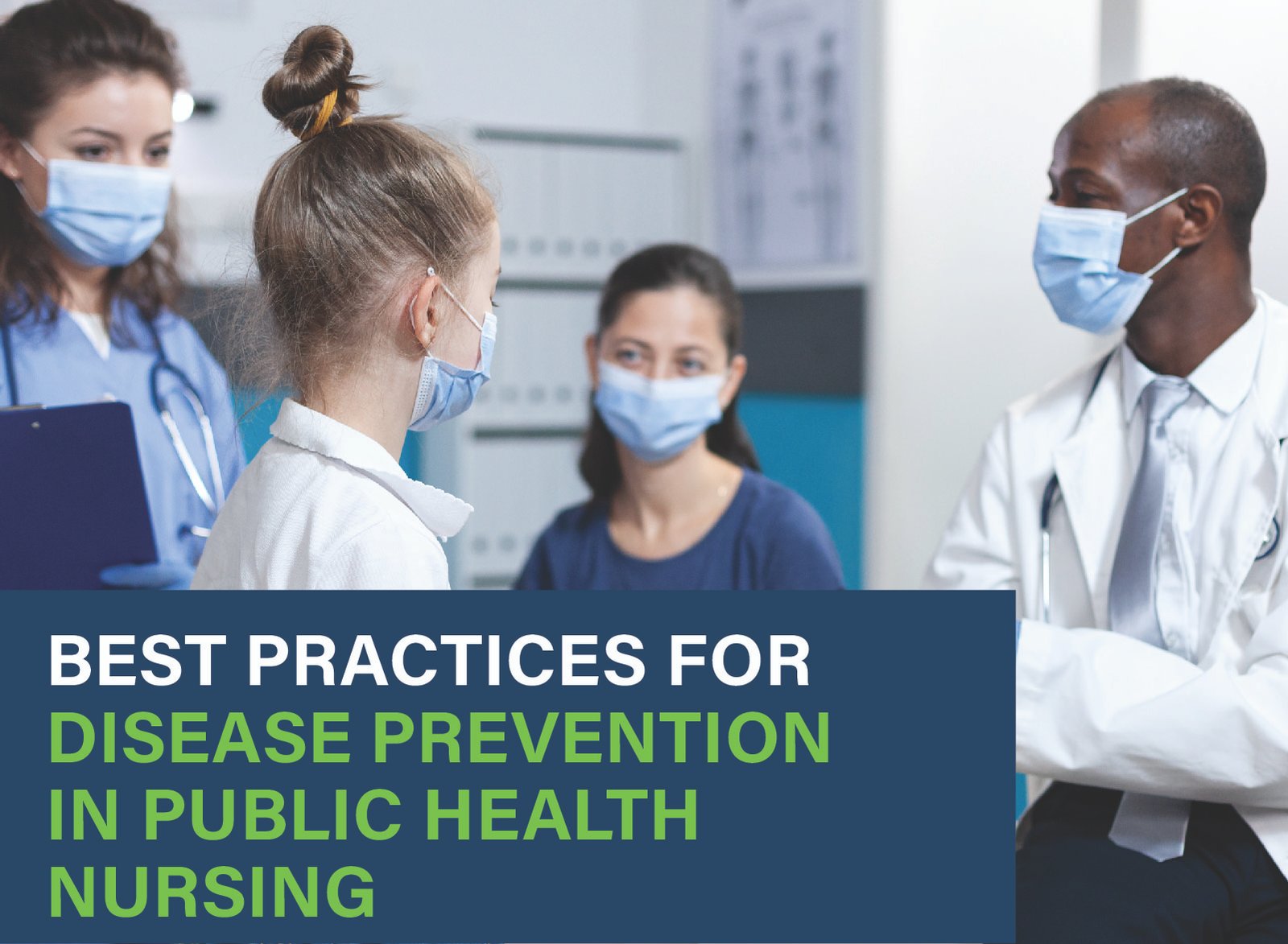
PHN is essential in the prevention of diseases, promotion of health, and maintenance of fair healthcare service accessibility to the neighborhoods. The nurses in this career are the first-line personnel in preventing the transmission of infectious diseases, promoting healthy living, and supporting health inequality. The practices involved in disease prevention in the field of public health nursing are very diverse, and consist of not only those interventions related to direct care service delivery, but also those wider public health interventions include health education, immunization programs, and disease surveillance, and control. By adopting the evidence-based practices, a nurse associates with other medical personnel, and connects with communities in the neighborhood to promote good health, and prevent morbidity. Engaging the community organizations, schools, and local governments can establish a support mechanism in the prevention activities.
Public health nurses show a significant role in alleviating the burden of disease, enhancing health results, and establishing healthier surroundings of people in different communities by paying attention to prevention instead of treatment. This guide will touch on some of the best disease prevention best practices in the field of public health nursing, and provide practical guidelines that can assist in building community health, and promoting the wellness culture in the population.
Key Strategies for Disease Prevention in Public Health Nursing
Prevention strategies are necessary to minimize the progression of infection, and promote the health outcome of the community. One of the strategies that can be performed with the help of public health nurses is connected to the development of vaccination programs that should prevent the spread of infectious diseases, particularly, they should be applied among high-risk populations. Another vital strategy is to conduct health education to educate populations concerning good hygiene, healthy nutrition, and the ways of managing disease-causing habits.
Surveillance, followed by early detection, will assist in detecting outbreaks, and interventions can be implemented in time. Nurses also work with the rest of the team in healthcare in terms of detecting the trends of the diseases to deal promptly with new threats. Also, it is crucial to seek to remedy such social factors in health as access to clean water and healthcare by promoting healthier environments. Prevention-oriented work of public health nurses benefits the population by mitigating the burden of the disease, and enhancing the health of whole communities.
Implementing Vaccination Programs
One of the most superior measures of preventing the disease is vaccination. PHNs are the professionals who organize the process of vaccination, so that children and the elderly population (who are most vulnerable) could be provided with needed immunization. This will avert transmission of diseases that are contagious, such as flu, measles, and hepatitis, and therefore protect the communities, as well as lessen the overall burden of illness.
Promoting Health Education
Health education enables the communities to make knowledgeable choices concerning their health. The general knowledge that is provided by the public health nurses is essential, and essentially includes matters of hygiene, nutrition, exercise, and safe sex. Nurses make things better by empowering people around them to avoid getting sick, and developing health problems by educating them, and giving them the necessary advice, which will contribute to a better quality of life among citizens, and society.
Surveillance and Disease Monitoring
Nurses are involved in surveillance of disease outbreaks, and keeping a tab on patterns of operation of infections in society. Frequent monitoring helps identify possible threats to health in time and helps to act quickly to stop the spread of diseases that are disseminated. This is due to the proactive mechanism which guarantees the response to the emerging outbreaks due to the protection of public health.
Encouraging Regular Health Screenings
Periodical check-ups to identify diseases like diabetes, hypertension, and cancer play a critical role in preventing and detecting the disease or condition in the early stages. To detect the disease at the early stage, when it can be treated the most successfully, public health nurses actively promote the idea of regular check-up, and that is why their work is active on the forefront. The strategy is rather effective in terms of health outcomes, as well as minimizes the number of complications associated with the disease.
Addressing Social Determinants of Health
Various social determinants such as access to clean water, nutrition, and education highly affect the health outcomes. Public health nurses promote those policies, and programs that can lead to better living conditions, access to care, as well as education. Considering these factors, it is possible to state that nurses can lead to the formation of healthier communities, narrow the gaps, and play an essential role in long-term disease prevention.
Disease Prevention Through Community Engagement
In public health nursing, community engagement is central when it comes to the disease prevention process because it creates a culture of cooperation between the health professionals and the community. Having community members participate in the health campaigns, public health nurses will be able to become more aware of the preferences, needs, and issues of the local people. Collaboration can result in more potent prevention strategies that would be created according to the cultural, and social peculiarities of the community.
The activities of public health nurses include outreach to the community, where such health professionals help reach individuals with educational materials, and conduct events to sensitize them to important health concerns. Communication with local leaders, schools, and organizations is also beneficial in spreading the messages and promoting healthy behavior. This process not only enables nurses to stop the disease spread, but also allows them to stimulate a long-term healthy, and self-sustainable population which is self-responsible.
Building Strong Community Partnerships
Disease prevention can only be effective through partnership with the community organizations, local governments and professionals in health. Public health nurses emphasize on the establishment of effective partnerships in solving public health issues, as well as the enhancement of preventive care. Such combinations assist in strengthening the outreach, enhancing access to health services, and developing sustainable initiatives linked to overall welfare of the community.
Promoting Healthy Lifestyles
The nurses facilitate healthier life change among the people, and the communities by providing nutritional information, physical activity, stopping smoking, and managing stress. Through the encouragement of such lifestyle changes, public health nurses ensure the prevention of chronic formations of chronic diseases, such as diabetes, and heart disease. When individuals are empowered to control their health, there is a positive health outcome in the long term of communities.
Addressing Mental Health
The issue of mental health is a critical one with regard to disease prevention. PHNs strive to decrease the stigma of nearby mentally sick people, and provide them with assets of administration and advice. Investments in mental health, and awareness of this issue, as well as opening barriers to care, are key to preventing such problems as anxiety, depression, and substance use, benefiting society in general.
Engaging Vulnerable Populations
Some populations, including aged people, families with low income groups, and disadvantaged individuals with disabilities are more likely to become diseased. Public health nurses target such vulnerable groups, providing them with specific prevention services, and guaranteeing their access to health services. Nurses can address their unique needs by doing so and contribute to the minimization of health disparities and provision of more equal access to healthcare.
Increasing Health Literacy
Increasing awareness on health literacy means people get to make better choices to be healthy. The roles played by the public health nurses include giving facilities, and teaching communities to comprehend medical terms, forms of treatment, and prevention. With the use of increased health literacy, nurses promote better health behaviours, and empower individuals to make positive steps towards the management of their health.
Prevention Through Policy and Advocacy in Public Health Nursing
Policy change and advocacy is a major component of prevention of disease in the long run within the public health nursing sphere. The active participation of the public health nurses is seen in the advocacy of a better environment policy, fair access to health care, and health guard measures. Nurses can influence policymakers, healthcare facilities, and community leaders to create policies that will help address the cause of health disparity, and embrace mass disease prevention.
Nurses promote the health policies of vaccination, hygiene, quitting smoking, diet, and psychotherapy. These changes in policy will provide communities with access to health services and preventive programs. Public health nurses (by encouraging systemic changes in their policy advocacy efforts), contribute to the establishment of a long-term basis of enhancing population-level public health outcomes, and reducing disease incidence.
Advocating for Public Health Policies
Public health nurses also lobby for such policies that will encourage people to be healthy and protect against the disease like ban on smoking, sanitation, and expanding the services of healthcare. The policy influences allow them to design settings that support the health of populations, so that individuals find it easier to adopt healthy lifestyles, and the burden of diseases that can be prevented is limited.
Promoting Access to Healthcare
Quality healthcare is crucial in prevention of diseases. The role of public health nurses is to make sure that the underserved communities can obtain necessary health services: vaccinations, screenings, disease management programs, etc. Through promotion of access to healthcare, they assist in closing the gaps, thus making sure that all people may have what they require to preserve, and enhance their health.
Supporting Environmental Health Initiatives
Issues to do with environmental health, such as air quality, sanitation and waste management are very important to disease prevention. PHNs can promote policies to enhance the state of the environment and collaborate with local policies to counter risks, including pollution, and unclean water. Decreasing environmental risks reduces the occurrence of diseases, and creates healthier living environments to communities.
Fostering Healthy Workplaces
The employers and the public health nurses work together to establish healthy, and safe working conditions free of occupational diseases. Nurses can educate employers about the importance of wellness programs in a workplace, the right safety measures to control the spread of the disease, and improve the mental health of the workers to get superior health and productivity.
Influencing Health Education in Schools
Public health nurses support the idea of including health education at school. Early education on the children on the topics of disease prevention, and healthy lifestyles as well as hygiene practices instils a life long practice of adopting healthy lifestyles. This is because early childhood learning on health issues contributes in lowering health risks in future, and promotes more healthy choices among the children as they enter adulthood.
Effective Communication Strategies for Disease Prevention
Communication plays a very crucial role in the creation of disease-free awareness, and prevention in the community. The role of the public health nurses is playing a central role in presenting very important information on health to the various populations in a manner that they can relate to. Healthy behavior initiatives like vaccination, hygiene, and healthy lifestyle choices can be promoted through the use of culturally sensitive messages that are easy to understand.
As the modern world allows contacting a large number of people, including through social media, events, and educational materials, the use of multiple communication avenues serves to involve the maximum number of individuals. Using leaders, and influencers in the community further propagates the message, and targets more vulnerable individuals, and hard-to-reach populations.Listening is also an important aspect, as when the community shares its concerns, it will be possible to know more particularities and misconceptions in order to address them. When sent to local contexts, and made accessible, public health nurses will be able to address the issue of disease prevention and lay the foundation of long-lasting community health-enhancing.
Using Mass Media for Public Health Campaigns
To disseminate disease prevention information, public health nurses take the mass media consisting of television, radio, and social media. The health campaigns, and public service announcements are used to reach far, so people are aware of preventative measures. Nurses can make sure that different communities and diverse populations receive essential health information based on multiple media channels and make campaigns more efficient.
Providing Culturally Sensitive Information
In order to convey relevant information to different people of different backgrounds and cultures, nurses present then explicitly handy and culturally-affirming health communication. With this awareness of cultural difference, and mitigation of language barrier, they will be able to construct messages that appeal to different audiences. This strategy allows building trustful relations, and promoting positive health practices, so the message may reach more people, and lead to success in preventing diseases.
Using Social Media for Outreach
Social media is providing a channel through which public health nurses can reach a wide audience. Nurses can improve the level of disease prevention awareness in various individuals by posting health tips, updates, and prevention clues online in order to attract more people. Social media connects people in real time, and gives the nurses the opportunity to raise concerns and answer their questions as well, which leads to healthier behaviors as well.
Hosting Community Health Workshops
Physical health workshops allow the public health nurse to have direct contact with the community members to educate them. The topic of the knowledge, and skills learned in these workshops is all about disease prevention practice which includes hand washing, vaccination, and healthy nutrition. They enable nurses to interact with the society, serve as a source of trust, and assert individual powers to control their own health.
Collaborating with Media and Influencers
The work of the public health nurses is associated with reaching out to local media and their personalities to promote their message on disease prevention. The affiliation with persons of trust in the community can boost the awareness, credibility, and the impact the message should have on the audience. The health campaigns are expanded through these partnerships, which makes more individuals practice healthier lifestyles and preventive practices.
Disease Prevention Through Collaboration with Healthcare Professionals
In public health nursing, violence prevention is essential through the collaboration with the healthcare professionals. Collaboration with doctors, epidemiologists, and other medical practitioners gives a coordinated effort to the approach of health challenges. The role of nurses in the gap between clinical care and community outreach is of specific importance as it allows applying such strategies as vaccinations, screenings, and health education.
Sharing knowledge and resources will help healthcare practitioners to determine high-risk populations, observe health trends and carry out early intervention. Another area of work to be found by the public health nurses working with local organizations, schools, and government agencies is the prevention of diseases, and the free availability of the necessary medical services. Such collaboration allows addressing the issue more thoroughly, which will have a positive impact on health outcomes and make preventable disease burdens less significant between communities.
Working with Physicians and Specialists
The joint effort of physicians and specialists with the assistance of the public health nurses enables a multifaceted view upon disease prevention. The combination of the two provides valid diagnosis, develops preventive treatment schedules, and follows health outcomes. The collaboration will help coordinate care to patients, and address instead of just focusing on immediate health needs, prevention intervention aimed at improving the health of communities in general.
Coordinating with Public Health Officials
The public health nurses collaborate with the public health officers to monitor the trends on diseases and the coordination of the responses. They act together to ensure that preventive solutions are put in place, and that implementation of programs which are aimed at promoting the health of the population is successful. Through collaboration, they will be able to act in a timely manner as far as responding to outbreaks is concerned, resource distribution, and safeguarding people against emerging health risks.
Partnering with Community Health Workers
Community health workers are important in terms of providing education, and disease prevention services to underserved populations. The public health nurses cooperate with such workers to increase their outreach and make sure that vulnerable populations get all the care and prevention services they need. They work together to fill in some healthcare access gaps, and advance health outcomes of at-risk communities.
Collaborating with Social Workers
The social determinants of health deal with poverty, housing, and education and hence social workers deal with the same. The collaboration of the public health nurses with social workers helps to make the families and individuals live in better conditions, which is the direct aid to disease prevention. This partnership will aid in addressing some of the underlying causes of health inequities so that the vulnerable people can access the required resources, and services.
Engaging with Educational Institutions
Public health nurses will pay schools and learning institutions a visit to introduce disease prevention programs. They help in reducing the spread of diseases in schools by teaching children and the members of staff on their health such as hygiene, immunizations, and healthy practices. This interaction also brings about long-term lifestyles in terms of health, building healthier communities and good health at early ages.
Conclusion
To enhance the outcome of the common health results, and to lessen the burden of the disease, it is important that best practices of disease prevention are implemented in the area of public health nursing. When nurses concentrate their efforts on health education, policy advocacy, community involvement, and efficient communication, they can become the most important people in the maintenance of health and the avoidance of spreading illness! Public health nurses assist in making communities safer, and healthier through cooperation and evidence-based practices.
Call to Action
Take part in increasing disease prevention within your community. First learn about and teach others about healthy behavior, support the local public health efforts, and promote policies that encourage people to stay healthy. Each step one makes to create a healthier future is important!
FAQs
1.What are some of the ways through which the public health nurses can stop the spread of infectious diseases?
In a bid to safeguard the vulnerable, nurses ensure that they curb the spread of a disease through vaccination, health education, and even disease surveillance.
2.Why are the nurses involved in facilitation of mental health?
Nurses promote the awareness of mental health, diminish the stigma, offer counseling services, and assist individuals in becoming involved in mental care.
3.Why is disease prevention done through health education?
Health education promotes better lifestyles and preventive practices which enable individuals to mitigate the risk of diseases.
4.What are the roles of the local communities in the work of the public health nurses?
The nurses are involved in conducting health workshops, taking part in the campaigns, and by advancing policies to affect the local health problems.
5.What are social determinants of health?
They are income, education, employment, social support, and healthcare and access to it, which affect overall health and disease prevention.
6.What is the way to monitor disease outbreaks in the case of public health nurses?
Through surveillance systems nurses can monitor disease patterns, report a case and apply interventions to the outbreak.

How to Collaborate With Local Organizations as a Public Health Nurse

How to Provide Culturally Competent Care in Public Health Nursing

Best Practices for Disease Prevention in Public Health Nursing

Public Health Nurse Interventions for Low-Income Communities

How to Conduct a Successful Community Health Assessment

Community Health Nursing Outreach Strategies

How to Engage with Diverse Communities in Public Health Nursing

Public Health Nursing Strategies for Rural Areas

How Public Health Nurses Improve Community Health

Best Resources for Public Health Nurses

Time Management Tips for Public Health Nurses

How to Balance Workload in Public Health Nursing

Public Health Nursing Success Strategies

Tips for New Public Health Nurses

Public Health Nursing Best Practices

Challenges in Public Health Nursing and Solutions

Public Health Nursing Career Tips

Essential Skills for Public Health Nursing

How to Become a Successful Public Health Nurse
Challenges in Public Health Nursing and Solutions
How to Balance Workload in Public Health Nursing
How Public Health Nurses Improve Community Health
Public Health Nursing Career Tips
Best Resources for Public Health Nurses
How to Become a Successful Public Health Nurse
Essential Skills for Public Health Nursing
Public Health Nursing Best Practices
Tips for New Public Health Nurses
Public Health Nursing Success Strategies
Public Health Nurse Interventions for Low-Income Communities
How to Collaborate With Local Organizations as a Public Health Nurse
Time Management Tips for Public Health Nurses
Best Practices for Disease Prevention in Public Health Nursing
Community Health Nursing Outreach Strategies
Public Health Nursing Strategies for Rural Areas
How to Provide Culturally Competent Care in Public Health Nursing
How to Conduct a Successful Community Health Assessment
How to Engage with Diverse Communities in Public Health Nursing
How to Collaborate With Local Organizations as a Public Health Nurse
How to Provide Culturally Competent Care in Public Health Nursing
Best Practices for Disease Prevention in Public Health Nursing
Public Health Nurse Interventions for Low-Income Communities
How to Conduct a Successful Community Health Assessment
Community Health Nursing Outreach Strategies
How to Engage with Diverse Communities in Public Health Nursing
Public Health Nursing Strategies for Rural Areas
How Public Health Nurses Improve Community Health
Best Resources for Public Health Nurses
Time Management Tips for Public Health Nurses
How to Balance Workload in Public Health Nursing
Public Health Nursing Success Strategies
Tips for New Public Health Nurses
Public Health Nursing Best Practices
Challenges in Public Health Nursing and Solutions
Public Health Nursing Career Tips
Essential Skills for Public Health Nursing
How to Become a Successful Public Health Nurse
-
 General Public Health Nursing Tips9 months ago
Challenges in Public Health Nursing and Solutions
-
 General Public Health Nursing Tips9 months ago
How to Balance Workload in Public Health Nursing
-
 Community Health & Nursing Guidance7 months ago
How Public Health Nurses Improve Community Health
-
 General Public Health Nursing Tips9 months ago
Public Health Nursing Career Tips
-
 General Public Health Nursing Tips9 months ago
Best Resources for Public Health Nurses
-
 General Public Health Nursing Tips9 months ago
How to Become a Successful Public Health Nurse
-
 General Public Health Nursing Tips9 months ago
Essential Skills for Public Health Nursing
-
 General Public Health Nursing Tips9 months ago
Public Health Nursing Best Practices


